
What's happening where you live? Re-introducing PlaceCal
If you've hung around us the last few years you undoubtedly will have heard us go on about PlaceCal. But what is it, why does it matter, how can you and your community benefit, and why has it taken us so long? Kim takes it from the top and outlines our ambitions for community technology in 2026.
A friend recently invited me to a yoga morning via Instagram. Since I’m not on Instagram these days, they had to screenshot the post and send it to me. The screenshot showed the name of a venue, but no street address. The group’s Linktree directed me to a website that didn’t have the address on it either. Google Maps eventually found the venue, and the website listed the class – which turned out to be a yoga evening, not a yoga morning. Advance booking was required, so I had to create an account and hand over my credit card details to a poorly laid-out Squarespace site.
When did finding a local exercise class require five different websites and linking my identity to a stranger’s booking system? I don’t think we had any of this even ten years ago.
PlaceCal is our answer to this. It gathers together information about community events into one place, filtered by where you are and what you’re interested in. No account needed, no algorithm deciding what you see. Just: what’s happening where you live?
“But there’s nothing to do!”
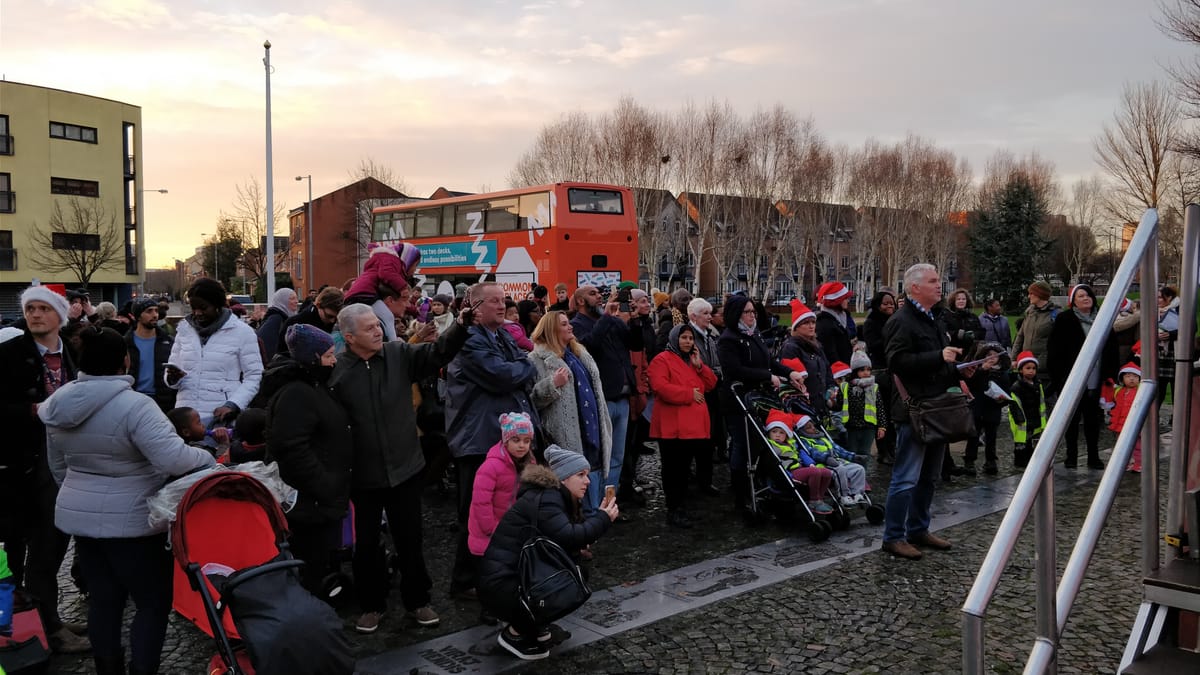
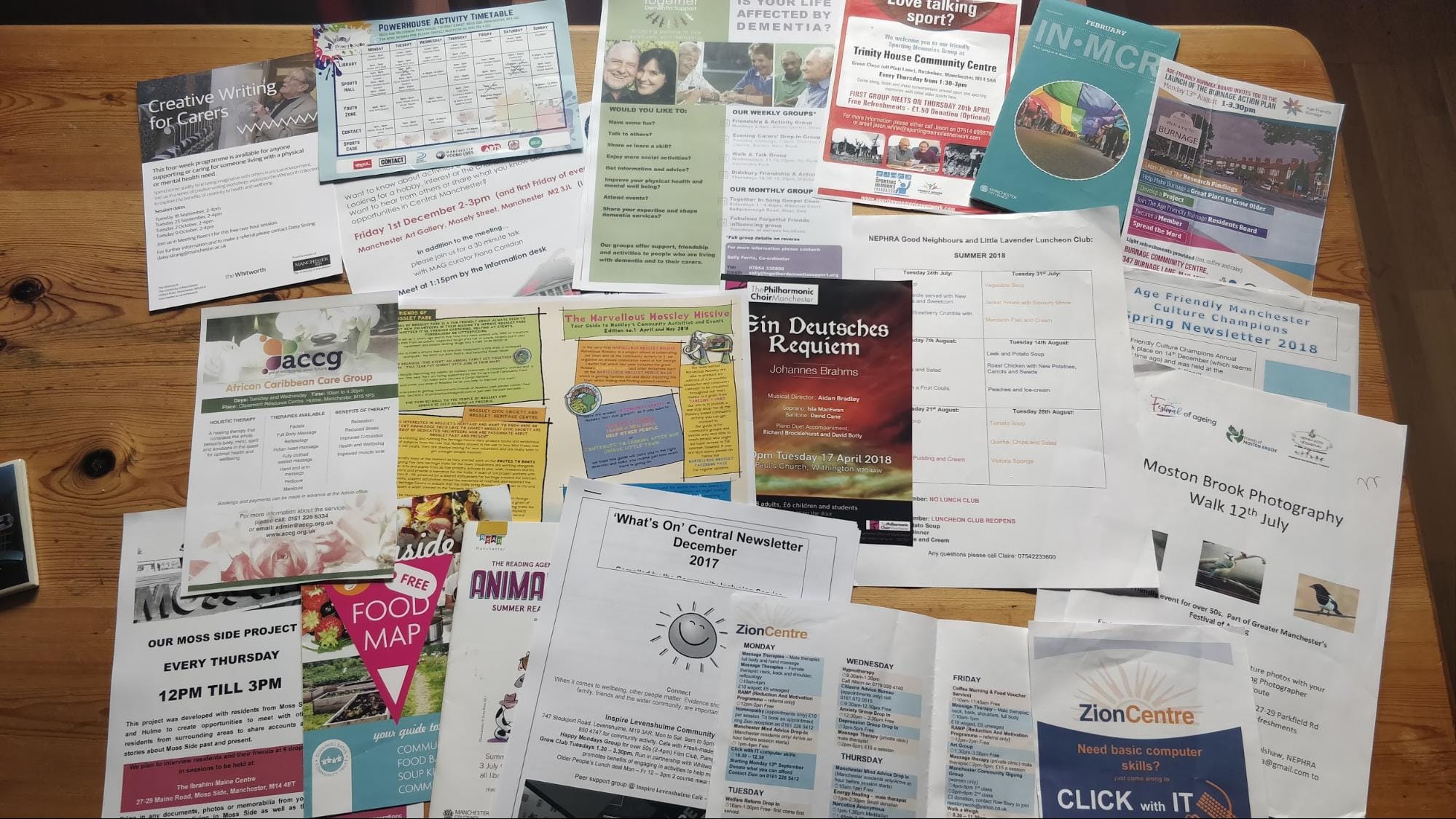
This isn’t a niche complaint. Everywhere we’ve done research, we’ve found the same thing: people say “there’s nothing to do in my area!” – when in reality there’s loads going on: it’s just badly communicated or not published at all. We found dozens of events in each neighbourhood that relied entirely on word of mouth, or at best case a vague reference in a photocopied flyer.
The reasons why it's like this are boringly systemic: we don't really have suitable software, or use the software we do have well. Local authorities don’t share information strategically. Digital exclusion is incredibly high, with small charities struggling across the board and grassroots groups often being Instagram-only. And the platforms that do exist are billionaire-owned, and designed to make you pay for visibility and compete against your peers.
This adds up to the current situation most of us experience when trying to find things to do – even if you’re relatively digitally included, able-bodied, and socially mobile. Events are scattered across Instagram and Facebook posts, ticketing platforms, and organisational websites, most of which haven’t been updated since the one person with the login left the project. It’s like making a flyer and forgetting to put the date on it, except now there are a hundred ways to mess it up.
Even “where you live” is contested. In our research we’ve found things like XYZTown Miners’ Club not being in XYZTown following a redistricting, or Huddersfield not really existing as an area (Kirklees was invented by the council in 1974), and most outrageously a bogus ward, entirely invented by white residents to separate themselves from their Black neighbours. Anyone who has gone through GP or school registration, or been involved in local politics, knows these struggles well!
How PlaceCal works
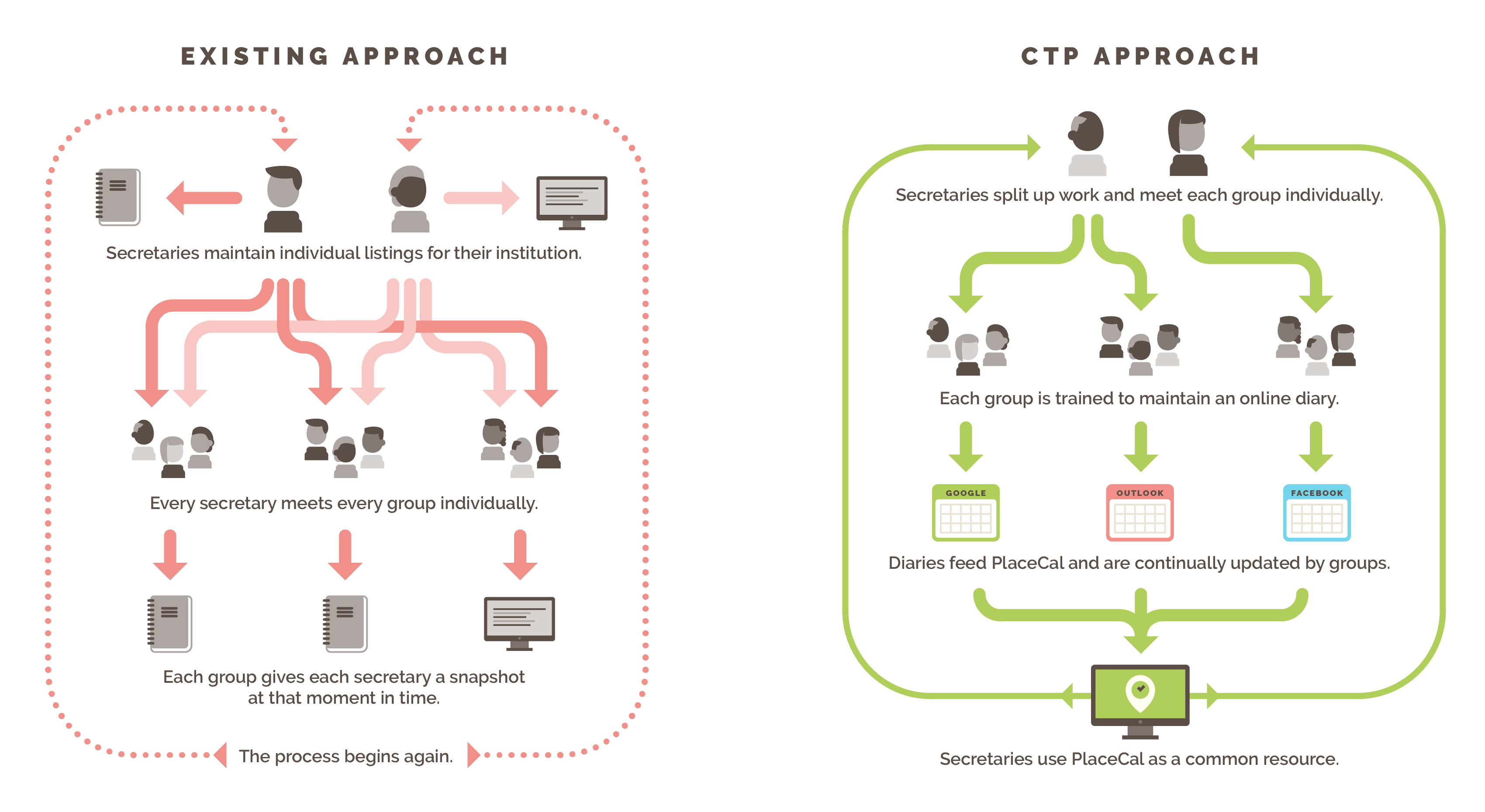
The basic mechanism is simple: most community groups already use some sort of calendar or events tool – Google Calendar, Outlook, Eventbrite, Meetup, Squarespace, and so forth. These all publish computer-readable event data. PlaceCal imports this automatically, so groups add their events once, in whatever tool they already use, and they appear on PlaceCal alongside everything else in the area.
We currently support Google Calendar, Outlook, generic iCal feeds like those provided by Wordpress plugins, Eventbrite, Meetup, OutSavvy, Resident Advisor, Squarespace, Ticket Tailor, TicketSource, Wix Events, and quite a few more. If a group’s tool isn’t on the list, let us know and we can usually add it.
PlaceCal serves three overlapping audiences, each with their own problems and needs. Here's a little video if you're more of a visual learner.
For residents: one place to look
You’ve just moved to a new area. Or you’ve retired and your social world has shrunk. Or maybe you’re looking for something specific – a trans swimming group, a coffee morning, a book club, a football team that isn’t awful... Maybe you’re recovering from illness and need to rebuild your routine. Maybe you’re just bored.
Right now, finding what’s on means checking Instagram (if you’re on it), Googling and feeling lucky, asking on local Facebook groups (and waiting for someone to reply), or just knowing someone who knows someone. Community organisation has become a kind of folklore – information passed by word of mouth, inaccessible to anyone not already in the loop. If you’re new, isolated, disabled, digitally excluded, or just not plugged into the right networks, you’re locked out.
This is especially stark for older people. Our research kept telling us the same thing: that over-50s were almost guaranteed to say “there’s nothing to do,” and were the most excluded from the platforms where things were actually being promoted. The council used to put out a printed ‘what's on’ guide but stopped, assuming the internet would magically replace it. Of course, it didn’t.
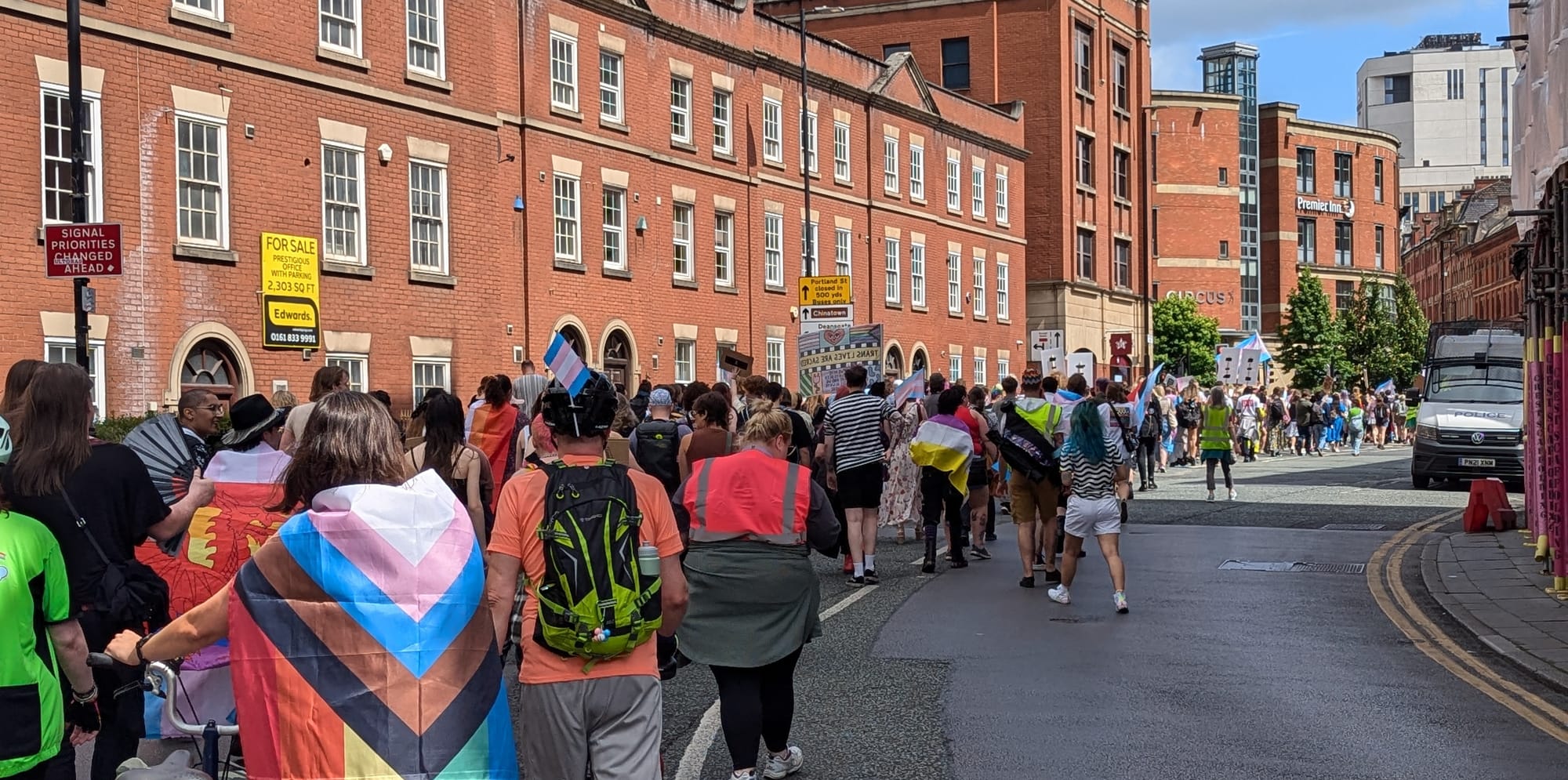
PlaceCal gives residents a single place to browse what’s happening nearby, filtered by location and interest. No account is needed, no algorithm choosing what you do and don't see, and none of your data is harvested. It can also be used to feed into other websites, to power kiosk displays, or generate guides for printing (because not everyone is online, and that’s fine).
For community groups: add once, appear everywhere
You run a yoga class, a community garden, a trans support group, a coding workshop, a coffee morning. You’re probably already managing your events somewhere – a Google Calendar, an Eventbrite, Wordpress or Squarespace site, maybe just a recurring Facebook post.
The problem is that each of these is a silo, by design of those sites’ business models. Your Eventbrite listing only reaches people already on Eventbrite. Your Instagram post disappears in 24 hours unless you keep reposting – and the platform is designed to make you pay to put your content in front of people and compete against your peers. Your website might be great, or it may be out of date because the one person who had the password left six months ago. We’ve podcasted before about how Facebook in particular captured and then destroyed the community events ecosystem.
Most groups don’t have the capacity to promote their events across multiple channels. They’re volunteers, or a single staff member, or someone doing this in their spare time because they care. Asking them to also become social media managers is unreasonable.
PlaceCal doesn’t ask groups to change anything. If your Google Calendar is set up properly, then your events will automatically be imported and appear alongside everything else in your area. Set it up once and it just works. Your events show up on the local PlaceCal site, on neighbourhood partnership pages, in printed guides, on kiosk displays – wherever the data gets republished. If you need any assistance with the set-up, we also help groups who need support getting their existing tools set up properly, because that’s often the real barrier.
For organisers and partnerships: map your community
You’re a neighbourhood partnership, a library consortium, an age-friendly project, a VCSE infrastructure org, or a social prescribing service. Part of your job is knowing what’s going on in your area so you can connect people to it. But you probably don’t have a complete picture of what's happening where and when – because nobody does: the information is fragmented across hundreds of individual organisations, each doing their own thing.
Traditionally, mapping your community means compiling a spreadsheet that’s out of date the moment you finish it, or a directory that nobody maintains, or a report that sits sadly on a shelf. It’s expensive, takes time and energy, and the results soon stagnate. Every partnership ends up duplicating this work independently, because there’s no shared infrastructure.
PlaceCal gives organisers a web interface to browse and add local groups and evens, tag them by interest and category, define geographic areas, and build a living, automatically-updated picture of the community's activity. Crucially, this work is cumulative and shareable. When one partnership adds a group, every other partnership in the area benefits from it. When a group updates their calendar, it flows through everywhere. The mapping stays current because it’s built on live data, not a snapshot.
This also opens up possibilities that static directories can’t: social prescribing tools that show what’s actually on this week, resilience networks that know who’s active in each area, and neighbourhood dashboards that keep themselves updated. All generated from the same shared data.
The story so far
PlaceCal started in Manchester, growing out of the Manchester Age Friendly Neighbourhoods programme. The research showed what we’ve heard everywhere since: people felt isolated, thought nothing was going on, and were stunned when we showed them how much was actually happening nearby. As one resident put it: “People are saying they’re bored and there’s nothing to do – with this much on, that’s mad isn’t it!”
In 2018, PlaceCal was listing 250 events a week in Hulme alone – one ward. We had done two physical winter mailouts with events from dozens of partners – an unheard of cost and time efficiency. We were a winner of the AAL Smart Ageing Prize that year. We’d developed a formal methodology, called the Community Technology Partnership approach, based on World Health Organisation and UN international development best practice. We had momentum, evidence, and a platform that demonstrably worked. We were told this is exactly what we needed, by anyone who would talk to us. Despite this, the council couldn't find a way to fund it, bouncing us from one fund to the next.
The problem was partly timing – our whole model was about getting older people to connect in real life – but then COVID happened. But it was structural, too. PlaceCal is a holistic intervention. It doesn’t fit neatly into one department’s budget. Is it a digital inclusion project? A health and wellbeing initiative? Is it community development or a social prescribing infrastructure? Well, it’s all of these, which means in practice it’s nobody’s line item. Funders liked the idea, but they struggled with the cross-cutting nature of it. Even when local partners were enthusiastic, they couldn’t find the budget or work out which team should pay.
So we've been limping from bid to bid. We got lottery funding to work on the approach itself and improve the software, with still no bites locally. We finally got some momentum when we expanded beyond age-friendly work into other areas. Comic Relief funded the Trans Dimension, a collaboration with Gendered Intelligence. This is a static site built on the PlaceCal API to connect trans communities across the UK. At some point here, we realised that it was communities of interest rather than place that were practically the local community drivers – councils and housing associations and so on have some investment but it's not their bottom line. On re-evaluation, we realised that an unspoken foundation of our successes was Kim's extensive grassroots connections (both locally and in trans organising). For it to work with other groups, we needed to find and support similar organisers for other causes.
With this in mind, we restructured our strategy around these community organisers. In Newcastle, a coalition led by Tipping Point volunteers is using it to list climate and migrant justice events. We got some funding to expand The Trans Dimension to Manchester. In Leeds, Pride of Place took PlaceCal and set it up for the local queer community almost entirely independently, which is exactly how we want this to work. But without core funding, progress has been slow and precarious. In 2024 our primary funder simply decided not to exist any more – not just affecting us but doing enormous damage to a huge chunk of our ecosystem. We've spent 2025 with these peers getting back on our feet and making the new face of GFSC that you're currently reading. (Hello!)
You might expect the open source and free software world to be all over this problem. Unfortunately, we've found the movement has its attention elsewhere, largely focused on protocols, standards, and infrastructure by and for people who are already highly technical. Self-hosting, decentralised identity, federatedation and so on are all valuable work, but are technologies that demand an incredibly digitally literate user-base, and the community shows remarkably little interest in community-level digital inclusion. The people most failed by corporate platforms – older people, disabled people, small volunteer-run groups, communities without tech capacity – are rarely centred in these conversations, and sadly this is reflected in the culture which over-represents the tech-familiar demographic everyone is very bored of hearing from. PlaceCal sits in the gap: open source infrastructure that’s designed from the ground up for people who aren’t technical and never will be. Technology that's a bridge, not a destination.
What we didn’t lose through all the funding struggles was the work already done, and the intensely detailed understanding of the various sectors we've worked in. We've kept building: refining the platform, adding new data sources, improving the admin tools, and working with partners. PlaceCal is now more capable, more stable, and more ready for wider adoption than it’s ever been. This year we are working with Tech Fleet to improve the software, and seeking funding to get some gas back into the tank and keep working with our current partners. We'd love you to join us.
The discussion around tech has shifted a lot too over the years we've been plugging away. In 2018, talking about privacy and big tech dependence felt niche – now it’s mainstream. People are watching billionaires consolidate control of the platforms their communities depend on, and asking what the alternative is. PlaceCal offers one answer: a nonprofit infrastructure layer that de-silos community information from corporate platforms without asking anyone to leave them. Your events stay on Eventbrite or Google Calendar or wherever you put them – PlaceCal just makes them visible to your neighbours without needing a corporation in the middle.
Bring us to your town or city?
PlaceCal is designed to work anywhere: any combination of place and interest. We've got some plumbing to do to use it in other countries but the platform is open source, the data model is flexible, and the approach is well documented and replicable.
What makes it work isn’t the software alone. It’s the Community Technology Partnership approach: working with local groups to understand what they already use, helping them publish their information properly, and connecting that into shared infrastructure. We’re not replacing anyone’s tools or telling them to switch platforms: we’re making what they already do visible and useful to their neighbours.
It’s very easy to feel powerless right now. The political landscape is bleak, the platforms we depend on are owned by people who don’t share our values, and the alternatives on offer often feel like they’re built by and for a technical elite. But there is something concrete you can do: help the people around you find each other.
That’s what PlaceCal is really about. It's not an app and it isn't a platform: it's a way for communities to develop and use their own power. When a neighbourhood knows what’s happening in it, when groups can find each other, when residents can see what’s on without asking permission from an algorithm – that’s a small but real form of resistance. It’s not dramatic, it doesn’t go viral, but it builds the kind of local infrastructure that actually makes communities more resilient, more connected, and rather harder to ignore.
We’re actively looking for people in other cities and countries who recognise this problem and want to do something about it. Whether you’re a neighbourhood partnership, a VCSE support org, a funder looking looking to support the next Wikipedia or Open Streetmap, a community organiser, or you're just someone who’s frustrated that it shouldn’t be this hard to find a yoga class in their area – we’d love to talk.
- Try it now: manchester.placecal.org | transdimension.uk | queerleeds.lgbt
- Code is on our GitHub
- For more info [email protected] or join the GFSC Discord
And of course, as always, if you like the sound of what we're doing, please do consider a monthly subscription.

Comments ()