
Spotlights, Sausages and Society: a Summery Summary
A run-down of recent articles, including how we run the organisation, how and why you might make a podcast or an indie game, and shining a spotlight on the encouraging and the terrible uses tech in society.
It's the height of summer! How has your half-year worked out, and what are you aiming for in 2026's second act?
Geeks for Social Change have had a quietly fruitful six months: the core team has grown, PlaceCal has received a substantial update and the blog has given ethical, organisational and how-to updates and advice, as well as connecting with a number of other communities and events. Here's a summary of our season, and the diverse pieces you can read from the recent blog.
GFSC Core:
- Our flagship project, PlaceCal, has rolled out a new update including a searchable database, making it easier to find partners and events. This makes it easier for new people to get involved with PlaceCal, and to find what they need.
- Ben Swithen has joined the organisation as the content producer, handling social media, blogging and communication.
- Blue Maignien has arrived as our summer intern, funded by the Digital Good Network. They're helping with the development of our consulting activities. Their PhD looks into surveillance in health and social care - you can expect to hear more about this in the coming weeks.
- We've been running regular meetings for people involved in being part of GFSC. Anyone is welcome to get involved. One of these is a regular PlaceCal drop-in, where we invite everyone to come and give it a go.
- We closed down our Mastodon server, but as Kim explains, we haven't turned our backs on the Fediverse.
Practical and tactical
Kim wrote a series of posts on core elements of GFSC, laying down the philosophy, funding, practice and intentions, as they stand. A good primer in what GFSC is, and transparency around how that's working.
- Our vision for the ‘community’ in community technology.
- A piece on GFSC's philosophical foundations.
- GFSC's business model, how we're funded and why.
- The Geeks for Social Change Manifesto, or version 1.0 of it. In an organisation run by its members, these things grow and change.
How to and Why to
- Ben wrote about why you should make a podcast. GFSC harbours a dream of making a podcast, but not until the right people and the right purpose arise. You should definitely make one, though.
- A more philosophical piece on the ethics of doing anything, ever: the impossibility of true ethical consumption, and why guilt and shame are hinderances to anything good you might want to try
- A piece on impostor syndrome, and finding support in community.
After winning the Most Amazing Game Award at A MAZE, Berlin, Ben also wrote a pair of more practical pieces about how to start out the indie games industry:
- A ‘how to’ piece on making a video game. If I can do it, so can you. Here's one way you could achieve that without spending or making much money – an honest reflection and a practical guide.
- A follow-up piece on releasing your first video game. This covers advertising, promotion, sites and sales, with a bit on how to apply to festivals.
Community Spotlights
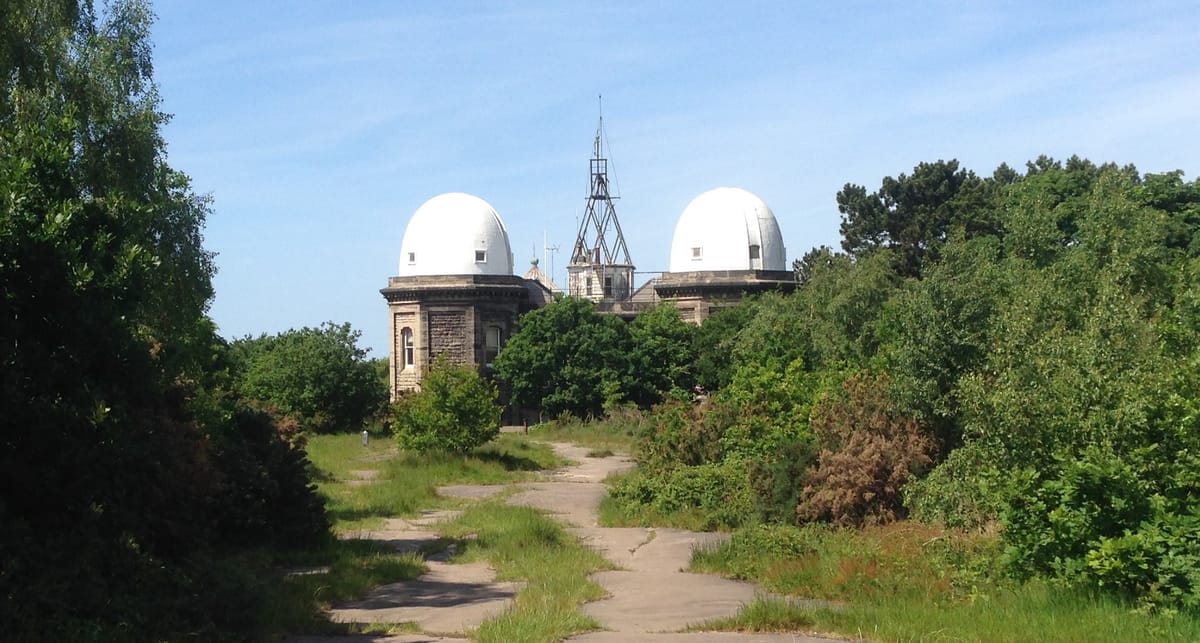
- An interview with Angelina and Ed from Bidston Observatory Artistic Research Centre (BOARC) about the many artistic, technical and community groups who use their facilities.
- An interview with a member of No One Is Disposable (NOID) about making space for people who have been cancelled, exiled or excluded from communities.
- An interview with Sam Cook from Electromagnetic Field (EMF), a ‘hacker’ camping festival for creatives with a technical bent.
By all means get in touch (or get involved) if there are any organisations you'd like us to interview for a community spotlight or topics you'd like to see more about on our blog.
What social, technical or creative matters do you want us to cover next?

Comments ()